
Top Energy-Efficient Home Improvements: Energy Saving Tips Home

When it comes to making your home more comfortable and cutting down on utility bills, energy efficiency is key. I’ve spent a lot of time researching and trying out different ways to improve home energy use. The good news? You don’t have to overhaul your entire house to see real savings. Small changes and smart upgrades can make a big difference. In this post, I’ll share some of the best energy saving tips home owners and property managers can use to boost efficiency and reduce costs.
Practical Energy Saving Tips Home Owners Can Use Today
Let’s start with some straightforward tips that anyone can apply without a major renovation. These are simple, effective, and often low-cost ways to improve your home’s energy use.
Seal air leaks: Check around windows, doors, and any gaps where air might escape. Use weatherstripping or caulking to seal these leaks. This keeps warm air inside during winter and cool air in during summer.
Upgrade to LED lighting: LED bulbs use up to 80% less energy than traditional incandescent bulbs and last much longer. Switching out your bulbs is an easy win.
Use smart thermostats: These devices learn your schedule and adjust heating and cooling automatically. They help avoid wasting energy when no one is home.
Unplug unused electronics: Many devices draw power even when turned off. Unplug chargers, TVs, and other electronics when not in use or use a power strip to switch them all off at once.
Adjust your water heater temperature: Lowering the temperature to 120°F (49°C) can reduce energy use without sacrificing comfort.
These tips are a great starting point. But if you want to take it further, there are some home improvements that can really boost your energy efficiency.
Top Energy-Efficient Home Improvements That Pay Off
Now, let’s dive into some upgrades that require more investment but offer bigger savings and comfort improvements over time.
1. Insulation Upgrades
Adding or improving insulation in your attic, walls, and basement can drastically reduce heat loss. Proper insulation keeps your home warmer in winter and cooler in summer. It also reduces the workload on your heating and cooling systems.
Attic insulation: This is often the easiest and most cost-effective place to add insulation.
Wall insulation: If your walls are not insulated, consider blown-in insulation.
Basement and crawl space: Insulating these areas prevents cold floors and moisture problems.
2. High-Efficiency Windows and Doors
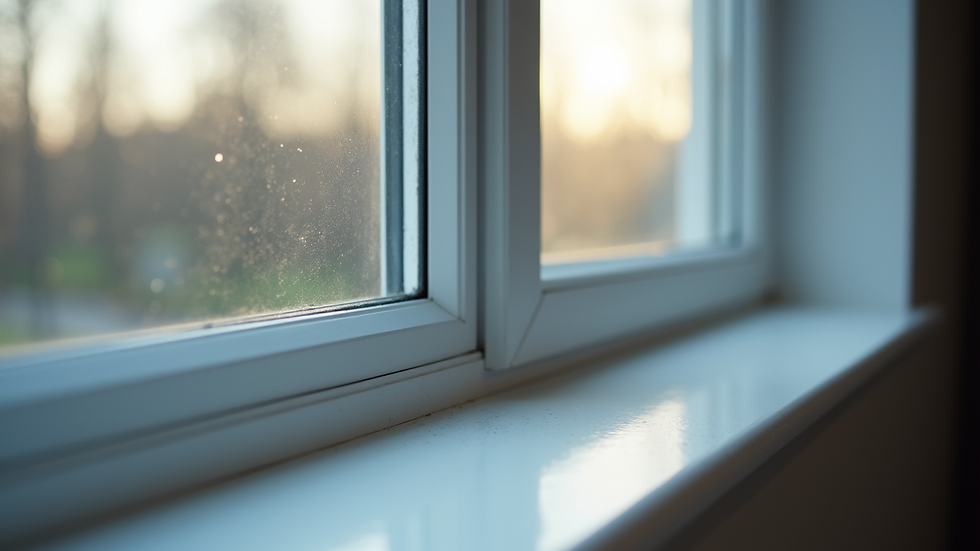
Old windows and doors can be a major source of heat loss. Replacing them with energy-efficient models can improve comfort and reduce drafts.
Look for windows with double or triple glazing.
Choose doors with good insulation and weatherstripping.
Consider window films or treatments that reduce heat gain in summer.
3. Upgrade Your Heating and Cooling Systems
Older HVAC systems can be inefficient and costly to run. Upgrading to a modern, energy-efficient furnace, boiler, or air conditioner can save a lot on energy bills.
Look for units with high Energy Star ratings.
Consider heat pumps, which provide both heating and cooling efficiently.
Regular maintenance also keeps your system running efficiently.
4. Install Solar Panels
If you want to go green and reduce your electricity bills, solar panels are a great option. They convert sunlight into electricity, reducing your reliance on the grid.
Solar panels can be expensive upfront but offer long-term savings.
Check for local incentives or rebates to help with costs.
Pair solar with battery storage for backup power.
5. Smart Home Energy Management
Technology can help you monitor and control your energy use more effectively.
Smart meters track your consumption in real time.
Home automation systems can control lighting, heating, and appliances.
Energy monitoring apps help identify where you can save.
These improvements not only save money but also increase your home’s value and comfort.

What is the energy-efficient home grant in Canada?
For homeowners in Canada, there are government programs designed to help with the cost of energy-efficient upgrades. One popular option is the energy-efficient home grant. This grant provides financial support to encourage homeowners to make their homes more energy efficient.
The grant covers a portion of the cost for upgrades like insulation, windows, doors, and heating systems.
To qualify, you usually need an energy assessment done by a certified professional.
The program aims to reduce greenhouse gas emissions and lower energy bills for Canadians.
If you’re considering any major improvements, it’s worth checking if you qualify for this grant. It can make a big difference in your project budget.
How to Choose the Right Improvements for Your Home
With so many options, it can be overwhelming to decide where to start. Here’s a simple approach to help you prioritize:
Conduct an energy audit: A professional audit identifies where your home loses energy and what improvements will have the biggest impact.
Set a budget: Decide how much you want to invest upfront and consider payback times.
Start with quick wins: Implement simple fixes like sealing leaks and upgrading lighting.
Plan for bigger projects: Schedule insulation, window replacements, or HVAC upgrades as your budget allows.
Look for incentives: Apply for grants or rebates to reduce costs.
By following this plan, you can make smart decisions that fit your needs and budget.
Making Your Home More Comfortable and Efficient
Energy efficiency is about more than just saving money. It’s about creating a home that feels good year-round. When your home is well insulated and sealed, you avoid drafts and cold spots. Efficient heating and cooling systems keep temperatures steady without wasting energy. Plus, using smart technology gives you control and insight into your energy use.
If you want to explore more about energy efficient home improvements, there are plenty of resources and professionals ready to help. Taking steps to improve your home’s energy use is a smart investment that pays off in comfort, savings, and environmental impact.
Start small, plan ahead, and enjoy the benefits of a more energy-efficient home!


Comments