
Renovation: The Smart Investment Your Home Needs for Lasting Value
- Milad Bolouri
- Dec 17, 2025
- 4 min read

Updated: Mar 24
Renovating a home is more than just a way to refresh its look. It is a strategic move that can increase your property’s value, improve your living experience, and save money in the long run. Many homeowners hesitate to invest in renovations because of the upfront costs or the disruption involved. Yet, when done thoughtfully, renovation proves to be one of the smartest investments you can make for your home.
This post explores why renovation is a wise choice, how it adds lasting value, and what practical steps you can take to maximize your return. Whether you plan to sell your home soon or want to enjoy it for years, understanding the benefits of renovation will help you make informed decisions.
Why Renovation Matters
Renovation is not just about aesthetics. It’s about enhancing your home’s functionality and comfort. A well-planned renovation can significantly improve your quality of life. Additionally, it can make your home more appealing to potential buyers.
How Renovation Increases Home Value
Renovation directly impacts your home’s market value. Real estate experts agree that well-planned upgrades can boost your property price significantly. Here are some key ways renovation adds value:
Modernizing Outdated Spaces
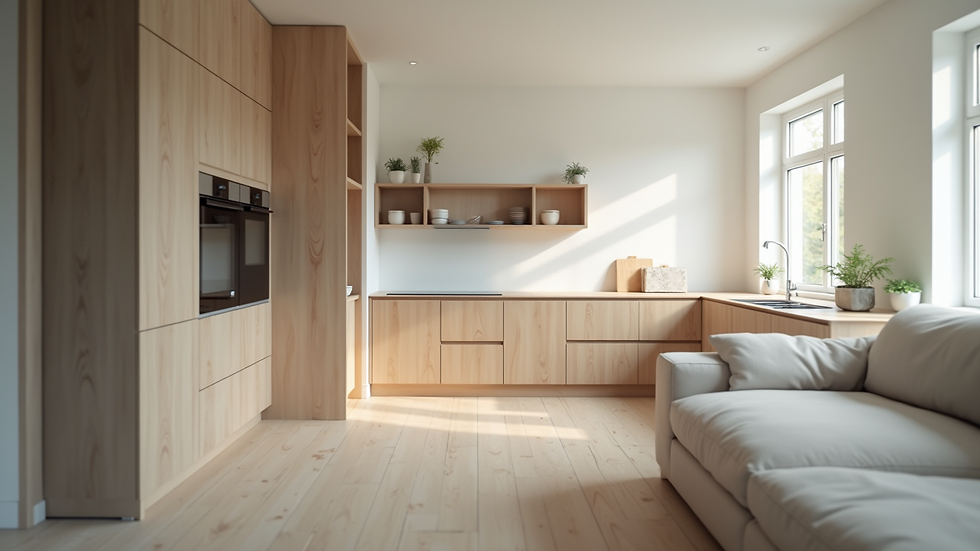
Kitchens and bathrooms are the most scrutinized areas by buyers. Updating these rooms with new fixtures, better layouts, and energy-efficient appliances can increase your home’s appeal and market price.
Improving Curb Appeal
First impressions matter. Renovating the exterior, such as repainting, landscaping, or replacing the front door, can raise your home’s perceived value and attract more buyers.
Adding Usable Space
Converting an attic, basement, or unused room into a functional living area adds square footage, which directly correlates with higher home value.
Enhancing Energy Efficiency
Installing insulation, double-glazed windows, or solar panels reduces energy costs and appeals to eco-conscious buyers.
Example: A study by Remodeling Magazine found that a minor kitchen remodel returns about 81% of its cost in added home value, while a bathroom remodel returns around 70%. This shows that targeted renovations can offer strong financial returns.

Renovation Improves Your Quality of Life
Beyond financial benefits, renovation enhances your daily living experience. A well-renovated home can provide comfort, safety, and convenience that older homes often lack.
Better Functionality
Renovations allow you to customize your space to fit your lifestyle. For example, opening up a cramped kitchen or adding storage solutions makes your home easier to use.
Increased Comfort
Upgrading heating, ventilation, and air conditioning systems improves indoor air quality and temperature control.
Safety Upgrades
Replacing old wiring, fixing structural issues, or installing smoke detectors protects your family and reduces risks.
Aesthetic Satisfaction
Fresh paint, new flooring, and updated lighting create a pleasant environment that boosts your mood and pride in your home.
Example: A family who renovated their living room by adding larger windows and better insulation noticed a significant drop in heating bills and enjoyed more natural light, making the space feel welcoming year-round.
Renovation Saves Money Over Time
While renovation requires upfront investment, it often leads to long-term savings. Ignoring maintenance or repairs can cause problems to worsen, resulting in higher costs later.
Preventing Costly Repairs
Fixing leaks, cracks, or faulty systems early avoids expensive damage like mold growth or structural failure.
Lower Utility Bills
Energy-efficient upgrades reduce monthly expenses on heating, cooling, and electricity.
Reducing Maintenance Needs
Durable materials and modern construction techniques mean fewer repairs and replacements.
Increasing Home Insurance Benefits
Some renovations, such as installing security systems or fire-resistant materials, can lower insurance premiums.
Example: Homeowners who replaced single-pane windows with double-glazed ones reported saving up to 25% on heating and cooling costs annually, which offsets the initial expense within a few years.

Choosing the Right Renovation Projects
Not all renovations offer the same value or benefits. Prioritize projects based on your goals, budget, and the current condition of your home.
Focus on Kitchens and Bathrooms
These rooms have the highest impact on home value and buyer interest.
Address Structural and Safety Issues First
Foundation problems, roof leaks, or electrical faults must be fixed before cosmetic upgrades.
Consider Energy Efficiency Improvements
Insulation, windows, and heating systems save money and attract buyers.
Think About Your Lifestyle Needs
If you work from home, a dedicated office space renovation may be worthwhile.
Balance Cost and Return
Avoid over-improving beyond neighborhood standards, which may not yield proportional value.
Tips for a Successful Renovation
To get the most from your renovation investment, plan carefully and manage the process well.
Set a Clear Budget and Timeline
Include a contingency fund for unexpected expenses.
Hire Qualified Professionals
Experienced contractors and designers ensure quality work and compliance with regulations.
Choose Durable, Timeless Materials
Avoid trends that may quickly look outdated.
Communicate Your Vision Clearly
Share your goals and preferences with your team to avoid misunderstandings.
Get Necessary Permits
Legal compliance protects your investment and avoids fines.
Inspect Work Regularly
Monitor progress and address issues promptly.

Conclusion
In conclusion, renovating your home is a smart investment that can enhance its value, improve your quality of life, and save you money over time. By focusing on the right projects and planning carefully, you can create a space that meets your needs and exceeds your expectations. Remember, a well-executed renovation not only benefits you but also makes your home more appealing to future buyers. So, take the plunge and start planning your renovation today!
Renovating is not just about making changes; it’s about creating a home that reflects your lifestyle and values. With the right approach, you can achieve a beautiful, functional space that you’ll love for years to come.
If you're looking for reliable renovation services, consider reaching out to Boloucon. They aim to be your trusted partner for construction, renovation, and HVAC services across the GTA, focusing on delivering high-quality, reliable solutions that exceed customer expectations and fit various budgets.


Comments